Top Five Detectives in Literary History
Nothing compares to jumping into an alternate reality, being presented with a string of clues, and then being left to wonder how to solve a mystery. The pure wonderment and complex solutions that mystery novels allow readers to experience is the reason they are my favorite genre.
In celebration of the 50th anniversary of the popular Encyclopedia Brown detective series, I have created a list of the best fictional sleuths in literature, from the bumbling and obese Nero Wolfe, to the feminine and feisty Nancy Drew.
5. Nero Wolfe, by Rex Stout
An armchair detective, a more extreme version of the infamous Sherlock Holmes, Wolfe solves crimes from the comfort of his home by reading the newspaper and listening to verbal accounts but never actually visiting the crime scene. Introduced in 1934 by Stout, the series features Wolfe’s sidekick Archie Goodwin, who is the street-smart narrator and manages the investigations outside of the brownstone that Wolfe refuses to leave. Wolfe is an eccentric, and quite large (estimated to be around 350 pounds), homebody who has the evidence for each case brought to his doorstep. Nero Wolfe was made into a television series called A Nero Wolfe Mystery by A&E in 2001, and starred Maury Chaykin as Nero and Timothy Hutton as Archie.
Favorite Story: “The League of Frightened Men,” 1935
Trademark: arrogant, hefty recluse with a strict schedule

C. Auguste Dupin, by Edgar Allen Poe
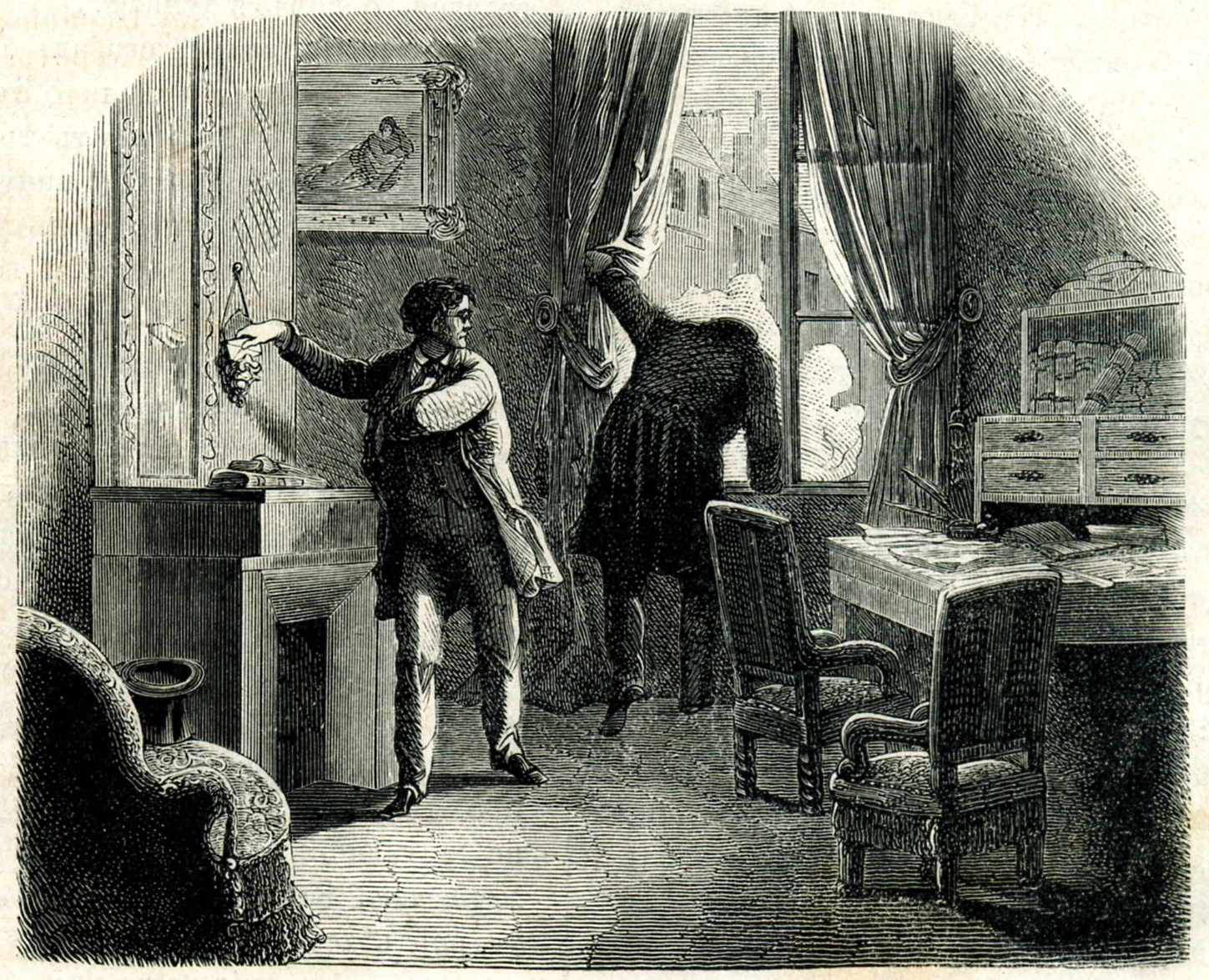
The clever Dupin was first introduced in 1841 in Poe’s story The Murders in the Rue Morgue, which is widely considered to the first-ever detective story. Apparently, Poe wrote these stories before the word “detective” was ever coined, and the Dupin character helped create the foundation for future detective novels to come. Dupin solved crimes by using his imagination and putting himself in the shoes of the criminal -- “If I were a criminal, what would I do?” Poe dubbed this type of thinking as “ratiocination.”
Dupin also has a narrator wingman, but is his name is never revealed within the three stories. Dupin is an eccentric, nocturnal observer who uses his senses to help the police solve crimes. The Murders in the Rue Morgue inspired one of the crimes in the 2012 film "The Raven," starring John Cusack.
Favorite story: “The Murders in the Rue Morgue,” 1841
Trademark: “Ratiocination”-- thinking like the criminal
3. Nancy Drew, by Carolyn Keene
The books Keene wrote about amateur detective Nancy Drew were some of the first popular detective stories to employ the skills of a female sleuth. I remember reading The Hidden Staircase when I was 9 years old and being wowed by Nancy’s wit and young age. Using the pseudonym of Carolyn Keene, many authors contributed to this series (to the horror of us Carolyn Keene diehards). In the original version, Nancy is an independent 16-year-old high school graduate who stumbles upon crimes (sometimes originating from her lawyer father’s cases).
The young Nancy Drew, who was introduced in 1930, has become a cultural icon-- the books have sold over 80 million copies, have been translated into over 45 languages, and have been adapted into five big screen flicks (one starring Emma Roberts), and two television series.
Favorite story: “The Hidden Staircase,” 1930
Trademark: feisty young prodigy

2. Sherlock Holmes, by Sir Arthur Conan Doyle
The Sherlock Holmes character has been reworked and crafted again and again as the years go by to resemble a more contemporary version of this popular sleuth. Many consider Sherlock Holmes to be the king of detection, the face of observation. Originally created in 1887, Sherlock Holmes is a consulting detective who has astounding observation skills. He can use abductive reasoning to solve any crime. Holmes, and his crime-solving friend and partner Dr. Watson, appear in four novels and 56 short stories. The Sherlock character has been made into many TV series and big screen flicks, including BBC One’s Sherlock, Elementary, and the 2009 film "Sherlock Holmes" starring Robert Downey Jr.
Favorite stories: “A Study in Scarlet,” 1887
Trademark: extraordinary knowledge, logical reasoning and attention to detail

1. Encyclopedia Brown, by Donald J. Sobol
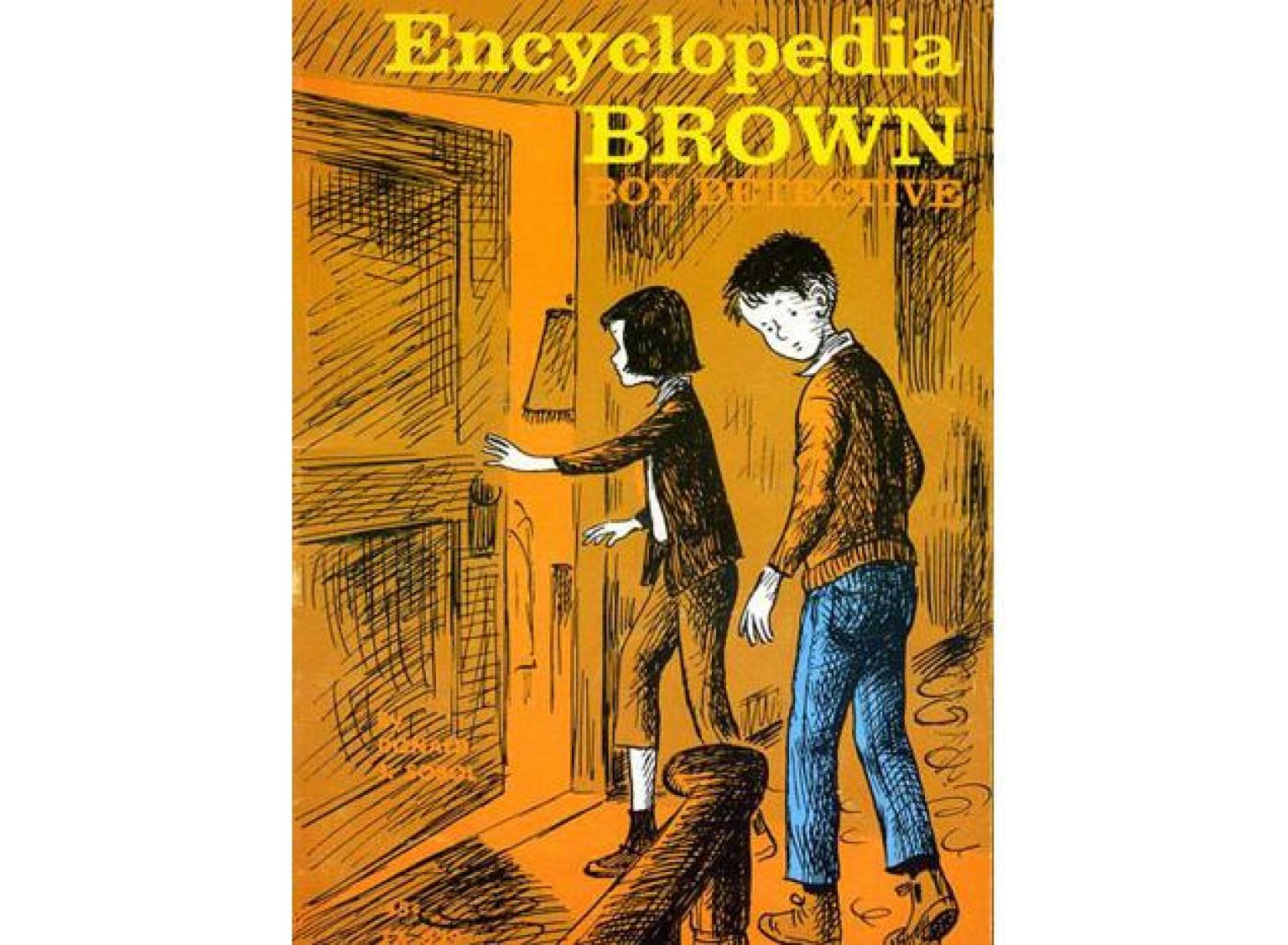
Encyclopedia Brown is a children series created 50 years ago, featuring the brilliant boy detective, Leroy “Encyclopedia” Brown, who knows just about everything. This series is unique in that it lets the readers decide the fate of each story, and then provides the answer to the mystery in the back of the book. It is sort of a “create your own adventure” style of reading.
Each story in the series begins with the same formula - Brown solving a case at the dinner table for his father, the local police chief in the fictional town of Idaville, by briefly closing his eyes, thinking deeply, and then asking one single question which directly leads to him finding the solution. His enemy in most stories is the town bully, Bugs Meany, and his sidekick is Sally Kimball. The series was adapted for television in 1989 in the HBO series Encyclopedia Brown, and is soon to be made into a feature film by Warner Bros.
Favorite story: The Case of the Kidnapped Pigs from “Encyclopedia Brown Saves the Day,” 1970
Trademark: closing his eyes and thinking deeply
Author Bio: Kate Voss is an entertainment writer for GetDirectTV.org. Kate lives and works in the windy city. She is an avid reader of detective novels and her favorite TV show is BBC’s witty series, Sherlock.

